
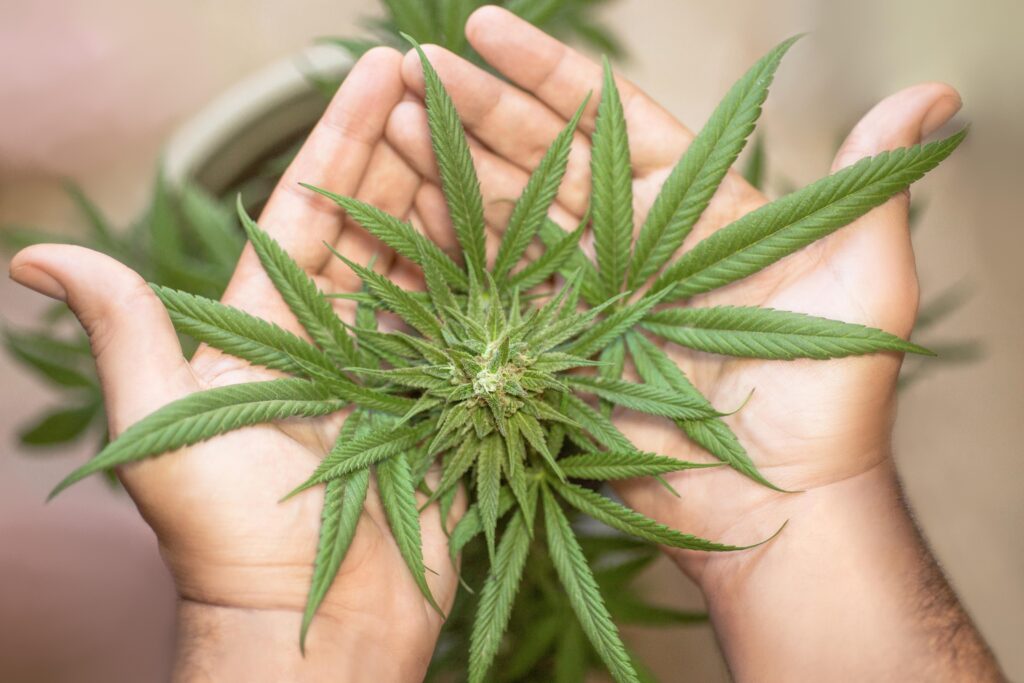
The cannabis industry in the United States has seen rapid growth over the past decade, evolving from a niche market into a multi-billion-dollar industry. With increasing legalization, shifting consumer perceptions, and new business opportunities, the market continues to expand at an unprecedented rate. This blog explores the current state of the cannabis market, key trends, challenges, and future prospects.
The Current State of the Cannabis Market
The U.S. cannabis market is divided into two main segments: medical and recreational cannabis. As of 2024, 38 states and Washington, D.C., have legalized medical marijuana, while 24 states have legalized recreational use. This legal landscape has allowed the market to flourish, with projected sales expected to exceed $50 billion by 2028.
Major cannabis-producing states, such as California, Colorado, and Michigan, lead the industry in sales and innovation. California alone generated over $5 billion in cannabis sales in 2023, making it the largest market in the country.
Key Trends Shaping the Cannabis Industry
1. Increased Legalization and Policy Changes
Federal legalization remains a major topic of discussion, with growing bipartisan support for cannabis reform. The SAFE Banking Act, which aims to provide financial services to cannabis businesses, is expected to significantly impact the industry’s growth.
2. Expansion of Product Offerings
The market has diversified beyond traditional marijuana flower products. Consumers now have access to edibles, beverages, concentrates, topicals, and CBD-infused wellness products. This expansion has attracted new demographics, including older consumers and wellness-focused users.
3. Cannabis and Technology
Technological advancements are driving efficiency in cannabis cultivation, distribution, and sales. AI-driven analytics, automated growing techniques, and blockchain for product traceability are revolutionizing the industry.
4. Investment and Market Consolidation
The cannabis industry has seen a surge in mergers and acquisitions, as larger companies acquire smaller brands to expand their market presence. Private equity and venture capital firms are increasingly investing in cannabis startups, fueling further industry growth.
5. Changing Consumer Preferences
The demand for high-quality, organic, and sustainably sourced cannabis products is growing. Consumers are also seeking personalized cannabis experiences, leading to innovations in dosing, terpene profiles, and delivery methods.
Challenges Facing the Cannabis Industry
Despite the rapid growth, the cannabis industry faces several hurdles:
- Regulatory Uncertainty: Federal prohibition creates legal and financial complexities for businesses.
- Banking Restrictions: Many cannabis companies struggle with banking services due to federal regulations.
- Tax Burdens: High taxation rates in legal states drive consumers toward the illicit market.
- Market Saturation: In some states, excessive competition has led to price drops and profitability concerns.
Future Outlook of the Cannabis Market
The future of the U.S. cannabis market looks promising, with continued growth anticipated. Potential federal legalization, improved banking access, and increasing consumer acceptance will drive further expansion. Emerging markets, including cannabis tourism, infused beverages, and pharmaceutical applications, present significant opportunities for businesses.
As regulations evolve and more states embrace legalization, the U.S. cannabis market is poised to become a dominant player in the global industry. Entrepreneurs, investors, and consumers alike can expect continued innovation and economic impact in the years ahead.
With the right strategy, businesses can capitalize on this dynamic industry. Whether you’re a new entrant or an established player, staying informed about market trends and regulatory changes is key to success in the ever-evolving cannabis landscape.